
When a tenancy ends in Dublin, few things trigger more deposit disputes than carpets. Walls can be repainted. Appliances can be wiped down. But carpets? They tell a story landlords pay very close attention to.
After years of inspections, adjudications, and disputes handled through the Residential Tenancies Board, a clear pattern has emerged: landlords are not expecting new carpets, but they are very specific about acceptable condition. And that distinction is where many tenants — and even some cleaners — get it wrong.
Why Carpets Matter So Much at End of Tenancy
Carpets sit in a unique category during inspections. Unlike paint or fixtures, they absorb wear — literally. Dirt, oils, spills, pet hair, and foot traffic all accumulate over time. For landlords, carpets are one of the clearest indicators of how a property was treated.
But here’s the key point many tenants don’t realise:
Landlords are assessing cleanliness and care, not age.
A five-year-old carpet can pass inspection. A one-year-old carpet can fail.
What landlords want is evidence that:
- The carpet has been properly cleaned
- Stains have been professionally addressed
- Odours have been fully removed
- The carpet shows reasonable wear, not neglect
“Fair Wear and Tear” vs. Damage: Where the Line Is Drawn
This is where most disagreements start.
What Dublin Landlords Accept as Fair Wear
- Light shading in walkways
- Minor flattening from furniture
- Slight colour variation over time
- General dullness consistent with age
These are expected, especially in high-traffic areas like hallways and living rooms.
What Triggers Deposit Deductions
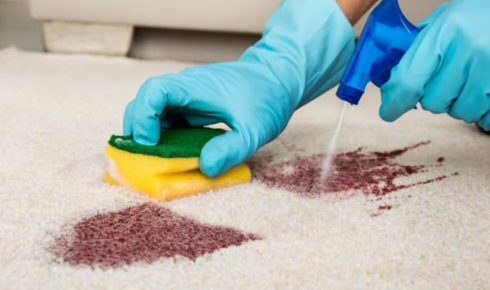
- Visible stains (wine, coffee, grease, makeup)
- Dark traffic lines that haven’t been cleaned
- Pet odours or lingering smells
- Sticky residue or matted fibres
- Evidence of DIY spot cleaning gone wrong
From a landlord’s perspective, these signal lack of proper end-of-tenancy cleaning, not normal living.
What “Professionally Cleaned” Actually Means (And What It Doesn’t)
Many tenants assume a thorough vacuum is enough. It isn’t.
What Landlords Expect
Professional carpet cleaning usually implies:
- Hot water extraction or equivalent deep-clean method
- Stain treatment using appropriate solutions
- Deodorisation, not masking sprays
- Uniform appearance across the room
It doesn’t necessarily require a branded receipt, but the results must clearly show professional-level cleaning.
End of Tenancy Cleaning :What Raises Red Flags Instantly
- Patchy areas where stains were “worked on”
- Powder residue left in fibres
- Strong artificial fragrance (often used to hide odours)
- Carpets that look clean in low light but reveal marks in daylight
Inspectors notice these things. Quickly.
High-Risk Areas Landlords Always Check First
If you’re wondering where attention will be focused, it’s almost always the same spots:
1. Living Room Walkways
This is the first place inspectors look. Heavy foot traffic reveals whether a carpet was properly deep cleaned or just surface-vacuumed.
2. Bedrooms Under Beds
Tenants often forget these areas. Dust, hair, and stains here suggest rushed cleaning.
3. Near Sofas and Dining Areas
Food spills, drink splashes, and grease marks are common — and obvious when untreated.
4. Entryways and Hallways
These areas show dirt accumulation from shoes and outdoor debris. A clean hallway carpet strongly influences overall impressions.
Stains: What Can Be Fixed and What Can’t
Not all stains are equal in the eyes of landlords.
Usually Acceptable If Treated Properly
- Light beverage spills
- Makeup marks
- Fresh food stains
Often Considered Damage
- Old pet urine stains
- Bleach marks
- Dye transfer from rugs or furniture
- Deep oil or grease saturation
If a stain remains visible after professional cleaning, landlords may classify it as damage — even if it wasn’t intentional.
Odours: The Silent Deposit Killer
Smell is one of the most underestimated issues during inspections.
Even if a carpet looks clean, lingering odours from:
- Pets
- Smoking
- Cooking
- Damp or mould
can trigger deductions.
Landlords don’t care how the smell got there — only that it’s still present. And masking sprays are easy to spot. A genuinely deodorised carpet smells neutral, not “fresh linen.”
Timing Matters More Than Most Tenants Think
One common mistake is cleaning carpets too early.
If carpets are cleaned days before move-out, last-minute foot traffic can undo the results. Landlords frequently schedule inspections after keys are returned, meaning carpets should be cleaned as close to vacancy as possible.
Professionals experienced with end-of-tenancy work understand this timing and plan cleaning accordingly.
Documentation: Helpful, But Not Always Required
Receipts aren’t mandatory in most cases, but they help when disputes arise.
If a landlord claims carpets weren’t cleaned and you can show:
- A dated invoice
- Clear before-and-after photos
- Written confirmation of professional cleaning
your position is significantly stronger during any RTB review.
The Reality of Deposit Disputes in Dublin
Deposit disputes related to cleaning are common — and carpets are among the top causes.
In many RTB cases, adjudicators side with whichever party can demonstrate reasonableness. A landlord must show that cleaning was inadequate. A tenant must show they took appropriate steps to return the property in good condition.
Well-cleaned carpets often become the deciding factor.
Why Landlords Care So Much (It’s Not Just About Money)
Replacing carpets is expensive. More importantly, it delays reletting the property.
A landlord who has to:
- Re-clean carpets
- Treat odours
- Replace damaged flooring
loses time and rental income. That’s why inspections focus so heavily on this area — it’s where poor cleaning has real financial impact.
A Professional Perspective from the Field
Companies that specialise in end-of-tenancy cleaning, such as Happy Clean Dublin, see this pattern repeatedly: tenants who underestimate carpet expectations are the ones most surprised by deductions.
Not because landlords are unreasonable — but because expectations were misunderstood.
Practical Checklist: What Passes a Dublin Carpet Inspection
Before handing back keys, carpets should:
- Be freshly deep cleaned
- Show no visible stains in natural light
- Smell neutral
- Have consistent colour and texture
- Be free of hair, dust, and residue
If you’re unsure, viewing the room in daylight is one of the simplest and most effective self-checks.
Final Thoughts
End-of-tenancy carpet standards in Dublin aren’t mysterious — but they are strict.
Landlords aren’t looking for perfection. They’re looking for care, cleanliness, and professionalism. When carpets meet those criteria, deposits are returned smoothly. When they don’t, disputes follow.
Understanding what landlords actually assess — rather than what tenants assume they assess — is the difference between a stress-free move-out and a frustrating back-and-forth after you’ve already moved on.
Handled correctly, carpets become a non-issue. Handled casually, they become the most expensive mistake of the tenancy.