There was a time when most of us didn’t think twice about the water running from our taps. You turned the handle, filled a glass, and that was that. But somewhere along the way—maybe after a strange metallic taste, cloudy ice cubes, or soap that refused to lather properly—we started paying attention.
Water has become one of those invisible essentials we only notice when something feels off. And in many homes today, it does.
The truth is, modern households face a mix of challenges: aging municipal pipes, hard water minerals, chlorine residue, and trace contaminants that weren’t even discussed twenty years ago. That’s why more families are exploring practical water treatment solutions—not out of fear, but out of awareness.
It’s less about panic and more about peace of mind.
When “Hard” Water Makes Life Harder
If you’ve ever scrubbed a shower door only to see those white streaks return a week later, you’ve met hard water. The culprit? High levels of calcium and magnesium. Harmless in small amounts, sure. But relentless.
Hard water doesn’t just stain fixtures. It clogs pipes over time, reduces appliance efficiency, and makes your water heater work overtime. That scale buildup acts like insulation—except not the helpful kind.
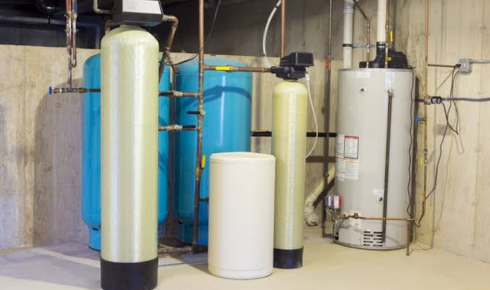
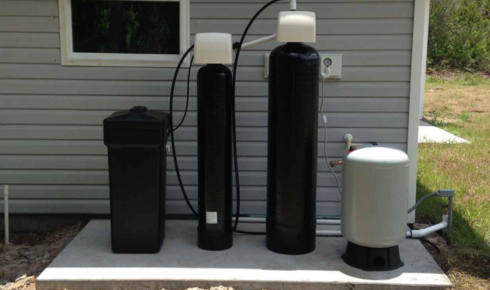
This is where water softeners come into the picture. They don’t magically “clean” water in the way a filter does. Instead, they swap hardness minerals for sodium or potassium through a process called ion exchange. The result? Softer water that feels better on your skin, lathers easily with soap, and helps extend the life of appliances.
And you’ll notice it in small ways first. Towels feel fluffier. Glassware looks clearer. Shampoo actually foams.
It’s not dramatic. It’s subtle. But it adds up.
The Bigger Picture: What’s Actually in Your Water?
Hardness is only one part of the story.
Municipal water systems do a good job making water safe, but “safe” doesn’t always mean ideal. Chlorine is often added to disinfect water. While effective, it can leave behind a distinct smell or taste. In some regions, trace elements like sediment, rust particles, or agricultural runoff may also be present.
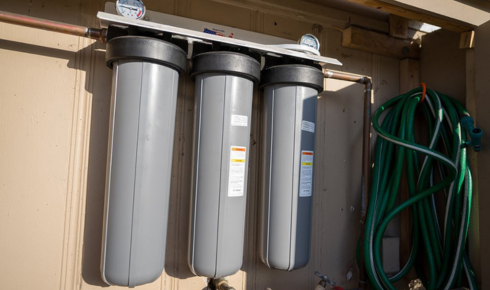
That’s where whole home filtration systems come in. Instead of filtering water at a single tap, these systems treat water as it enters your house. Every shower, every sink, every load of laundry benefits.
For families, this can be a game-changer. Children with sensitive skin may experience fewer irritations. Laundry smells fresher without that chemical undertone. Even houseplants sometimes seem happier.
Of course, not every home needs the same setup. Water quality varies widely by region. A rural well system might require sediment and iron filtration, while an urban apartment might focus on chlorine reduction.
It’s not one-size-fits-all—and that’s actually a good thing.
Taste, Trust, and Everyday Comfort
Let’s talk about taste for a second.
You can buy bottled water. Plenty of people do. But that’s expensive, inconvenient, and not exactly eco-friendly in the long run. A properly filtered system at home means you can fill a reusable bottle and head out the door without second-guessing what’s inside.
Cooking improves too. Pasta tastes cleaner. Coffee tastes less bitter. Even ice cubes stop carrying that faint tap-water flavor.
But beyond taste, there’s something psychological happening. When you trust your water, you stop thinking about it. And that mental quiet? It’s worth something.
Appliances Work Harder Than You Think
Most people don’t install treatment systems for their dishwasher. Or their washing machine. But maybe they should.
Hard water scale and sediment buildup can reduce appliance lifespan significantly. Heating elements get coated. Pipes narrow slightly. Energy bills inch up.
Over years, that wear and tear turns into repair calls—or worse, replacement costs.
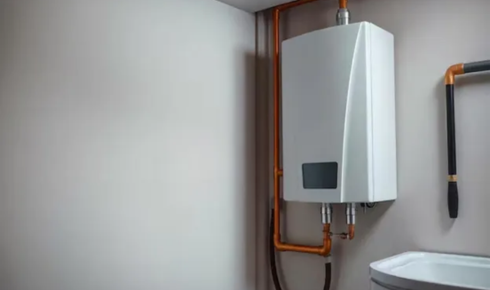
Installing appropriate treatment systems doesn’t just improve water quality. It protects investments you’ve already made. And in today’s economy, stretching the life of major appliances feels like a smart move.
So, What Should You Choose?
This is usually the point where people feel overwhelmed. Softener? Filter? Reverse osmosis? Carbon system? Something else entirely?
Start simple: test your water. Many local providers offer basic testing, and there are reliable at-home kits as well. Once you know what you’re dealing with, decisions become clearer.
If hardness is the main issue, a softener might be enough. If chlorine taste bothers you, a carbon filtration system could solve it. In some cases, combining systems makes sense—softening for mineral control, filtration for chemical reduction.
It doesn’t have to be complicated. And it definitely doesn’t have to feel like a science project.
The Quiet Upgrade That Changes Daily Life
The funny thing about upgrading your water system is that it’s not flashy. You can’t show it off like a renovated kitchen or new flooring. No one walks in and says, “Wow, amazing filtration system.”
But you feel it.
You feel it in the shower. In the laundry. In the way your glass of water tastes late at night when the house is quiet.
And over time, that quiet reliability becomes part of the background of your life. No second-guessing. No lingering doubts about what’s flowing through your pipes.
Clean, balanced water isn’t a luxury anymore. It’s infrastructure. It’s comfort. It’s long-term thinking.
And honestly? Once you’ve experienced properly treated water at home, it’s hard to go back.
Because some upgrades aren’t about impressing anyone else. They’re about making everyday life just a little bit better—one glass, one shower, one load of laundry at a time.