There’s a quiet trust we all place in the water that comes out of our taps. You fill a glass without thinking. You cook, clean, shower—it’s just part of life. Routine, predictable, easy.
But every now and then, something feels off.
Maybe it’s the taste. Slightly metallic, or just… different. Maybe your skin feels drier than usual, or you start noticing those chalky marks on your faucets that never quite go away. Nothing alarming, not exactly. Just enough to make you pause.
And that pause? That’s usually where curiosity begins.
When “Normal” Doesn’t Feel Quite Right
Most of us grow up assuming tap water is fine. Safe, usable, nothing to worry about. And for the most part, that’s true.
But “safe” doesn’t always mean “ideal.”
Water can carry minerals, sediments, and trace elements that don’t necessarily harm you—but they can affect how water tastes, smells, and behaves in your home. Over time, these little differences start to show up in ways you didn’t expect.
Clothes that feel stiff after washing. Appliances that wear out faster. Even the way soap lathers can change.
It’s subtle. But it adds up.
Starting With Awareness
The first real step isn’t buying anything or making big decisions. It’s understanding what’s actually in your water.
That’s where something like free water testing becomes surprisingly useful. No pressure, no commitment—just a clear look at what you’re dealing with.
You get to see what’s present, what’s not, and whether those small annoyances have a real cause. It turns guesswork into information.
And honestly, once you have that information, everything else becomes easier to figure out.
Not All Water Is the Same
One thing people often overlook is that water quality isn’t universal. It varies by location, by source, even by the condition of your home’s plumbing.
What works for one household might not make sense for another.
That’s why a single, generic solution rarely solves everything. It’s not about finding the “best” product—it’s about finding the right fit.
For some homes, a basic filtration setup is enough. For others, more comprehensive systems might be needed. It depends on what you’re dealing with.
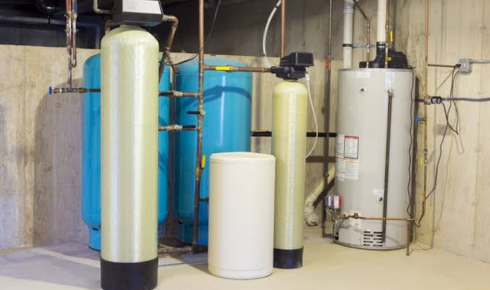
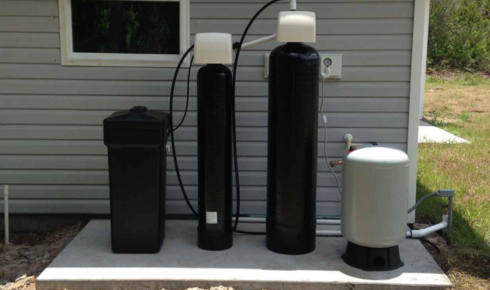
And that’s where a well-designed water treatment system comes into play—not as a one-size-fits-all answer, but as a tailored approach to improving what you already have.
The Subtle Shift Toward Better Living
Here’s the interesting part—when you improve your water, the changes aren’t dramatic. There’s no big reveal moment. Instead, things just start to feel… better.
Water tastes cleaner. Skin feels softer. Appliances run more smoothly. Even daily tasks like washing dishes or doing laundry become a bit easier.
It’s not something you show off or talk about much. But you notice it.
And once you do, it’s hard to go back.
Thinking Beyond Quick Fixes
It’s tempting to look for quick solutions. A filter here, a temporary fix there. And sometimes, those can help.
But if you’re dealing with ongoing issues, it’s worth thinking a bit deeper.
What’s causing the problem? Is it mineral buildup? Sediment? Something else entirely?
Understanding the root of the issue allows for more effective solutions. And that’s where custom water solutions make a real difference.
Instead of forcing a standard system to work, you’re adapting the solution to your specific situation. It’s a more thoughtful approach—and usually a more effective one.
The Role of Professional Guidance
Let’s be real—most of us aren’t water experts. We rely on professionals to help us understand what’s going on and what our options are.
But the right kind of guidance matters.
A good professional doesn’t push products. They ask questions. They look at your home, your usage, your concerns. They explain things in a way that makes sense, without overwhelming you.
That kind of approach turns a confusing process into something manageable.
Small Changes, Long-Term Impact
What’s surprising is how much impact water quality can have over time.
Better water can extend the life of your appliances. It can reduce maintenance needs. It can even lower long-term costs by preventing damage caused by buildup or corrosion.
And on a personal level, it simply makes everyday life more comfortable.
Not in a dramatic way—but in those small, consistent ways that matter most.
Final Thoughts
Water is one of those things we take for granted until something feels off. And when it does, it’s easy to ignore it, to assume it’s not a big deal.
But paying attention—just a little—can lead to meaningful improvements.
It doesn’t have to be complicated. Start with understanding what’s in your water. Explore your options. Take small steps.
Because sometimes, the difference between “good enough” and “actually good” is closer than you think.
And once you experience it, it becomes part of your new normal.