
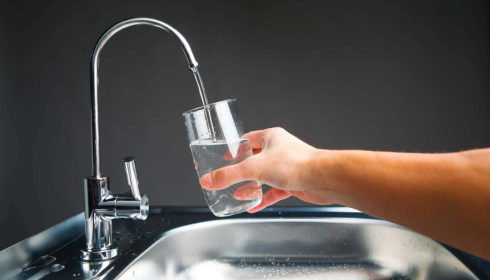
There’s something remarkably underrated about clean, drinkable water. You turn on the tap, fill a glass, and expect it to be safe — no second thoughts. But behind that assumption is an entire ecosystem of technology, testing, and people who take water seriously. And when things don’t seem right — like an odd taste, a rusty colour, or a weird smell — most of us don’t know what to do. That’s where local water laboratories and specialists come in.
The Quiet Importance of Water Testing
Let’s face it: unless there’s a visible problem, water testing rarely makes our to-do lists. It doesn’t shout for attention the way a leaking faucet or high electric bill does. But it should. Regular testing is crucial for households using private wells, homes in older neighbourhoods, or any place where plumbing systems might be aging. Even municipal water can be impacted by local construction, natural disasters, or industrial runoff.
Now, when people start Googling for a water laboratory near me, they’re usually dealing with uncertainty. Maybe there’s a sudden change in taste, or maybe they’re about to bring a newborn home and want everything to be just right. Either way, water quality is not something to guess about. It deserves expert analysis.
The Lab Behind the Glass
Water testing labs aren’t some massive factories with bubbling beakers like in the movies. Many are small, precise, and shockingly humble operations, equipped with high-end tools and knowledgeable staff who run dozens of tests — from basic pH levels to heavy metals and bacterial contamination. These labs are the hidden gatekeepers of safety, especially in regions where water treatment isn’t always consistent.
More often than not, they offer packages — basic, advanced, or tailored for specific concerns like lead, arsenic, or nitrates. For homeowners, these services can be the difference between peace of mind and an expensive plumbing mistake.
Technology Changing the Flow
The way we monitor water has changed a lot in the past decade. Thanks to innovative companies, real-time sensors, automated sampling devices, and smart filtration systems are becoming more common. This shift doesn’t just help cities maintain water infrastructure — it also empowers everyday people.
Tennessee Water Technology, for instance, has been making waves (pun intended) in how modern water treatment is approached in the Southeast. Their blend of traditional water science with forward-thinking tech is helping both urban communities and rural households gain more control over water safety. That kind of regional innovation matters because water challenges vary state to state — even neighbourhood to neighbourhood.
When Water Feels Personal
There’s a deeply emotional side to this topic too. Clean water isn’t just about hydration — it’s about health, family, and trust. Think of parents mixing formula with tap water, or elderly folks taking medications that require precise dosages with fluids. When the water’s off, everything is off.
That’s why walk-in water centres and community testing hubs are such a relief for families. They offer more than just data — they provide guidance. You walk in with a jug of tap water and walk out with answers, solutions, and often a free cup of coffee while you wait. It’s an oddly comforting experience.
A standout example is the TWT Welcome Home Center, which doesn’t just help residents test and treat their water — it educates them. They host workshops, community Q&As, and product demos. It’s not a salesy space; it’s a learning hub. And in a world full of pushy marketing, that kind of authenticity is refreshing.
Red Flags You Shouldn’t Ignore
Here’s the thing: most water issues don’t happen overnight. There are signs. Discoloration. Weird residue in the kettle. Soap that won’t lather properly. Chronic stomach issues that mysteriously disappear when you drink bottled water. These little hints often point toward chemical imbalances, hard water, or contamination.
If you’re seeing any of these symptoms, it’s not paranoia to get your water tested — it’s smart living. And it doesn’t have to cost a fortune either. Many local labs offer test kits that you can mail in, or provide on-site testing for a small fee. Some counties even run free annual programs to help residents stay informed.
Not Just a Rural Problem
A common myth is that only rural areas need to worry about water safety. But city dwellers are just as vulnerable. Aging infrastructure in cities like Flint, Newark, and even parts of Nashville have shown that lead and other contaminants aren’t just theoretical risks — they’re real.
Add in the occasional burst pipe, construction project, or storm surge, and you’ve got a cocktail of possibilities that could impact the very thing you trust to brush your teeth, bathe your kids, or boil pasta.
So whether you’re in a high-rise apartment or a farmhouse, it pays to take water seriously.
Taking the First Step
If you’ve never tested your water, now’s the time. Not because something is definitely wrong — but because it’s one of those “better safe than sorry” situations that actually makes sense. A simple test can save you from long-term health risks or thousands in appliance damage due to hard water buildup.
Here’s what you can do today:
- Search for a certified lab or testing centre in your county
- Pick up a home water testing kit online or at a hardware store
- Call your local municipality and ask if they offer free or discounted water tests
- Visit a local centre like TWT Welcome Home Center if you’re nearby, and get advice face-to-face
The more informed you are, the better choices you can make — whether that’s investing in a filtration system, choosing a better water source, or just sleeping easier at night.
Closing Thoughts
Water is one of those things we assume will always be fine — until it’s not. And while bottled water or filters can provide a quick fix, understanding what’s actually coming through your pipes is what gives you long-term control. It’s not about panic; it’s about empowerment.
The next time you take a sip from your kitchen tap, ask yourself: when was the last time this was tested?
Because trust, like water, should always be crystal clear.