There’s something sacred about water. We drink it, we bathe in it, we cook with it, we wash our clothes, rinse our veggies, and trust it to be clean and safe. But what if that trust is a little… misplaced? If you’ve ever questioned what’s actually in your tap water—or you’ve started noticing odd smells, strange stains, or brittle hair—you’re not alone. And you’re definitely not paranoid.
For thousands of homeowners, the solution has been simpler than you’d think: install a whole home water filtration system and let it quietly transform the quality of life from the ground up.
Is Your Tap Water Really “Fine”?
Let’s be honest—we’ve all grown up just accepting whatever water comes out of the faucet. As long as it’s not brown or smelly, it must be safe… right?
The reality is, even “treated” municipal water can contain trace amounts of water contaminants like chlorine, lead, pesticides, pharmaceuticals, and other chemicals you’d rather not think about. Over time, these substances build up in your body, your pipes, your appliances—and that’s not even getting into how they affect your skin or hair.
Think about it: we filter our coffee, our air, and sometimes even our social media feeds. Doesn’t it make sense to filter the thing we consume the most?
Why Whole Home Systems Are Gaining Popularity
You’ve probably seen the countertop filters and fancy fridge pitchers—but a whole home system is a different beast entirely. It’s not just about your drinking water. It’s about all the water that flows through your house—showers, dishwashers, laundry machines, garden hoses, the works.
With a whole home water filtration system, every faucet becomes a source of purified water. That means fewer minerals gunking up your pipes, fewer stains in the tub, better-tasting water in the kitchen, and peace of mind when the kids fill up a glass from the bathroom sink.
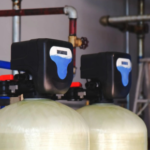
These systems are usually installed where the water enters your home—right at the point-of-entry—so everything downstream gets the benefit.
But Isn’t That Expensive?
Here’s the thing: yes, the initial cost of a whole home filter system can feel steep. But over the long haul, it saves money—and hassle. You won’t have to replace faucet filters every few weeks. Your appliances last longer. Your hot water heater won’t get choked with sediment. Even your clothes may last longer because they aren’t being washed in chemical-laden water.
Plus, many companies offer financing, and prices have dropped significantly over the last few years as the technology’s become more common.
Still not sure? Ask your local provider if they offer a free water analysis. That one simple step could open your eyes to what you’re really bathing in—and whether it’s worth treating.
What Can You Expect After Installation?
This is the fun part. Most people don’t realize just how much their old water was affecting their daily lives until it’s gone. Here are a few things folks notice within the first week:
- Cleaner showers – no more soap scum or musty odors.
- Softer skin and hair – chlorine and mineral buildup can be brutal on your body.
- Tastier water – coffee, tea, soups, and even plain ol’ tap water just taste better.
- Fewer plumbing issues – reduced sediment means fewer pipe blockages.
- Less cleaning – your faucets and tubs won’t get coated in mineral residue.
It’s not a luxury anymore—it’s a modern-day necessity, especially in areas with aging infrastructure or frequent boil advisories.
The Hidden Enemies in Your Water
Now, we’re not trying to scare you… but it’s worth knowing that the Environmental Working Group has identified over 250 pollutants in U.S. drinking water. Some of these water contaminants include arsenic, nitrates, and industrial solvents.
Even if your city says your water meets the “safe” limits, that doesn’t mean it’s completely free from harmful stuff. Many of those limits were set decades ago and haven’t kept up with today’s science or environmental realities.
Filtering your own water at the source gives you more control—something most of us are craving in today’s world.
Is DIY an Option?
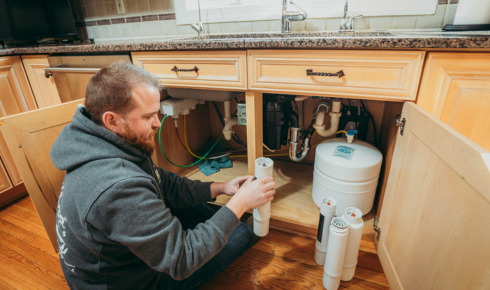
Technically, yes. If you’re handy with tools and plumbing, there are DIY systems you can buy and install on your own. Just make sure you understand the flow rate of your home and the system’s capacity. Undersized systems won’t filter effectively, and oversized ones may cause pressure issues.
But if you’re like most people, hiring a local expert ensures the job gets done right the first time—with the added bonus of a warranty and support.
So… Who Should Seriously Consider This?
- Families with young kids or elderly members (who may be more sensitive to chemicals)
- Homes in areas with known lead pipes or frequent water advisories
- People who rely on well water (which often carries sediment, bacteria, or iron)
- Health-conscious homeowners who want to cut down on bottled water use
- Anyone tired of constantly scrubbing lime scale or mineral stains
In other words, this isn’t just for the eco-warriors or health fanatics. It’s for regular folks who just want clean, reliable water from every faucet in their home.
Final Thoughts: It’s Time to Get Ahead of the Problem
You wouldn’t drink water from a lake without treating it first—so why trust your home’s water without a second glance?
Getting a free water analysis is a smart first step. From there, you’ll know what you’re up against and what type of filtration system makes the most sense. Whether it’s activated carbon, reverse osmosis, or a multi-stage hybrid, there’s something out there that fits your home, your family, and your lifestyle.