
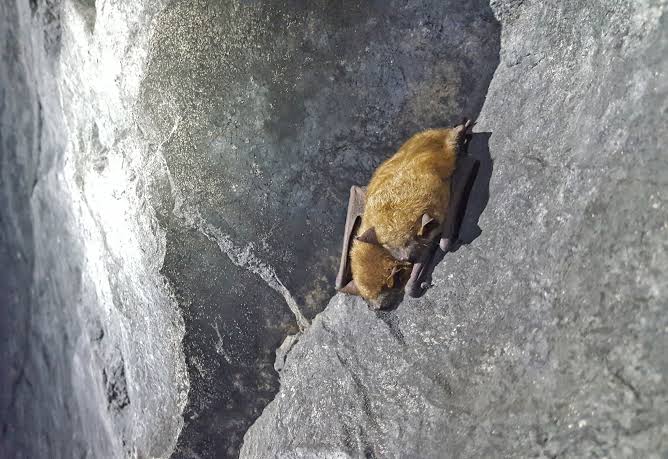
The foothills of the Blue Ridge Mountains are one of the most beautiful places to live in Virginia. They are also prime bat country. Forests, farm ponds, and creeks create a steady supply of insects, which is exactly what bats need. When bats look for a warm, dry place to rest during the day, nearby homes often fit the bill.
Attics, wall gaps, chimneys, and the space behind loose siding or shutters all make good roosts. Older homes and farmhouses around Albemarle and Greene Counties tend to have more small openings as wood shrinks and settles over time. A bat can squeeze through a gap about the width of a pencil, so even a tidy home can have entry points the owner never notices.
Most homeowners first realize they have bats when they hear faint scratching at dusk or see dark droppings near a window or along the siding. Others spot bats streaming out of a roofline just after sunset. Once a colony settles in, it can grow year after year, and bats tend to return to the same roost.
Why Professional Help Matters
Bats are helpful animals. A single bat can eat a large number of insects in one night, and Virginia protects bats by law. That means they cannot be poisoned or harmed. The right approach is a process called exclusion. A trained technician finds every entry point, installs one-way devices that let bats leave but not return, and then seals the openings once the bats are gone.
Timing is important, too. During the summer maternity season, baby bats cannot fly yet, and Virginia’s Department of Wildlife Resources restricts exclusion work during that window so pups are not trapped inside.
The Bats You Are Most Likely to Find
Virginia is home to more than a dozen kinds of bats, but only a few of them tend to move into buildings. The big brown bat is the one homeowners in the Charlottesville area meet most often. It is a sturdy, brown bat with a wingspan of about a foot. Big brown bats are tough enough to stay in attics and walls even in cold weather, which is why some people see them in winter. The little brown bat is smaller and once lived in buildings across the state in large numbers. Today it is much less common because of a disease called white-nose syndrome, which has caused major losses in cave-dwelling bats across the eastern United States.
Because several bat species in Virginia are struggling, wildlife officials take their protection seriously. That is one more reason to handle a bat problem the right way. A trained professional can usually tell which species is present by looking at the bats, their droppings, and where they roost. That information helps shape the plan for your home.
How Bats Get Inside
Bats do not chew holes the way squirrels or mice do. Instead, they use openings that already exist. Common entry points around Albemarle and Greene County homes include:
- Gaps where the roof meets the siding or fascia board
- Loose or missing flashing around chimneys
- Attic and gable vents with torn or missing screens
- Spaces behind shutters, trim, and loose siding
- Openings around pipes, wires, and air conditioning lines
- Cracks where an addition joins the original house
Many of these gaps are small and high off the ground, so they are easy to miss from the yard. Weather, settling, and old age can also open new gaps over time. A home that was bat-free for years can suddenly have a colony after a storm loosens a piece of trim.
What Not to Do
When homeowners find bats, they often try a quick fix. Some of the most common mistakes can make things worse:
- Sealing holes while bats are inside. Trapped bats may die in the walls or find a new way into your living space.
- Using sprays, foggers, or poison. These methods are not legal for bats in Virginia and can put your family at risk.
- Relying on noise or light devices. Ultrasonic gadgets and bright lights have not been shown to reliably drive bats away.
- Handling bats by hand. Any bat can bite when frightened, and bats can carry rabies.
The safest choice is to leave the bats alone, keep them out of your living space, and call a professional who understands Virginia’s rules.
Living Alongside Bats in the Blue Ridge
Bats are part of what makes the Blue Ridge region so healthy. They help control mosquitoes and insects that damage gardens, orchards, and vineyards across Central Virginia. Many people who remove bats from their homes choose to put up a bat house on a pole or tree nearby. A bat house gives bats a safe place to roost outside, so you can keep the benefits of bats without sharing your attic with them.
If you want to try a bat house, place it in a sunny spot at least 12 feet off the ground and away from doors and windows. It may take a season or two before bats move in, so patience helps.
Local Help for Local Homes
If you live near the city, an experienced team offering Charlottesville bat removal can inspect your home and explain what is happening in your attic. Families just to the north in Greene County can find the same expertise through Ruckersville bat removal.
Blue Ridge Wildlife & Fisheries Management works with bats and other wildlife throughout Central Virginia. Their team understands local species, state wildlife rules, and the building styles common to the region. If you suspect bats are sharing your home, a professional inspection is the safest first step.