It’s funny how something as basic as water rarely gets questioned. You pour a glass, take a sip, and move on. No second thought. No hesitation. It’s just… water, right?
But every now and then, something feels off. Maybe it’s a faint taste you can’t quite place. Or a smell that lingers just a second too long. Nothing alarming, just enough to make you pause.
That pause is usually where the story begins.
The Hidden Journey of Your Tap Water
Before it reaches your glass, water travels quite a distance—through treatment plants, pipelines, storage systems, and finally into your home. Along the way, it picks up and loses things, sometimes in ways we don’t fully notice.
Municipal systems are designed to make water safe, not necessarily perfect. Chlorine is added to kill bacteria. Minerals stay behind. Occasionally, trace contaminants slip through.
And while all of this is within acceptable limits, “acceptable” doesn’t always mean ideal for everyday use.
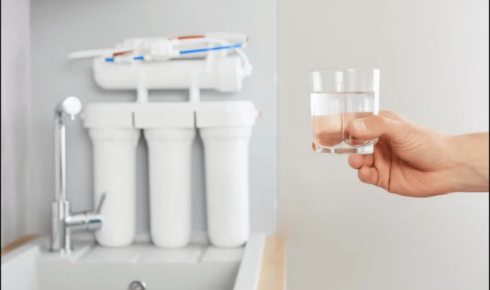
That’s where a reverse osmosis water filter starts to make a lot of sense. It doesn’t just improve water—it refines it. By pushing water through a semi-permeable membrane, it filters out impurities at a microscopic level.
The result? Water that feels lighter, tastes cleaner, and just… sits better.
Taste Is Only Part of the Story
Most people first notice water quality through taste. It’s the most immediate signal. But what’s interesting is how quickly you adjust once that taste improves.
When you start drinking truly clean drinking water, you don’t just notice the difference—you rely on it. Tea tastes more balanced. Coffee becomes smoother. Even simple things, like cooking rice or making soup, seem to turn out better.
And then there’s the habit shift. People often find themselves drinking more water without trying. It’s not a conscious effort—it just happens because the experience is better.
That’s one of those small, quiet changes that end up having a bigger impact than expected.
What You Don’t See Still Matters
Here’s the thing: not all water issues are visible or even noticeable through taste. Some elements—like heavy metals, dissolved solids, or chemical residues—don’t always announce themselves.
They’re just… there.
This is why systems designed to remove contaminants play such a critical role. They go beyond what you can taste or smell, targeting the unseen aspects of water quality.
It’s not about fear or overthinking—it’s about awareness. Once you know what could be present, it becomes easier to understand why filtration matters.
A Small Change That Feels Bigger Over Time
Installing a filtration system doesn’t feel like a major life event. There’s no dramatic before-and-after moment. But over time, the difference settles in.
You notice how your water bottles stay clearer. How there’s less residue in your kettle. How your glass of water tastes consistent, no matter the time of day.
Consistency—that’s the word that comes up often. Water becomes predictable in the best possible way.
And in a world where so many things feel uncertain, there’s something oddly comforting about that.
Not Just for Drinking
While drinking water is the main focus, better filtration can influence other areas too.
If you cook regularly, you’ll see it in your food. If you make beverages—tea, coffee, juices—you’ll taste the difference. Even washing fruits and vegetables feels more reassuring when you know the water is cleaner.
It’s one of those ripple effects. You improve one aspect, and it quietly enhances several others.
Choosing What Works for Your Home
There’s no universal answer when it comes to water filtration. Some homes deal with specific issues—like high mineral content—while others might be more concerned about chemical traces.
That’s why it’s important to choose a system based on actual needs, not just trends or recommendations.
A bit of testing can go a long way. Understanding your water is the first step toward improving it.
From there, it’s about finding a solution that fits your lifestyle—something that works in the background without constant attention.
Why It’s Easy to Overlook
Water is constant. It’s always there, always available. And because of that, it rarely feels urgent to improve it.
We tend to focus on things we can see—new appliances, better furniture, upgraded lighting. Water doesn’t fall into that category, even though it affects so much of our daily routine.
But once you make the change, it’s hard to go back.
It’s like adjusting the baseline of your home environment. Everything else starts to feel just a little bit better.
A Thought Worth Sitting With
If you’ve ever hesitated before taking a sip of water—just for a second—that’s probably your cue.
Not a sign of something wrong, but a reminder that things could be better.
Because at the end of the day, water isn’t just another utility. It’s something you interact with constantly, often without thinking.
And when you take the time to improve it, even in a small way, the benefits tend to show up in places you didn’t expect.
Not all at once. Not dramatically. But steadily, quietly—like most good changes do.