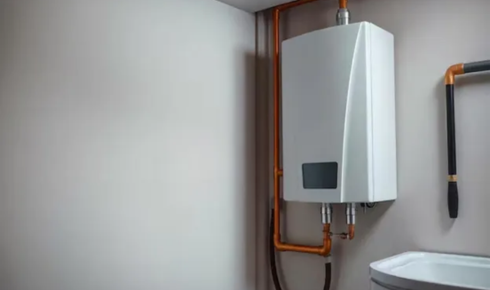
Tankless water heaters have become a popular choice for homeowners looking for greater energy efficiency and a more reliable hot water supply. Unlike traditional storage systems, they heat water only when needed, helping reduce wasted energy and freeing up valuable space in the home. However, many people assume these systems require little attention once installed. In reality, consistent maintenance plays a major role in keeping them running efficiently throughout the year.
For homeowners seeking reliable HVAC repair in Lumberton, TX, understanding how regular maintenance affects household systems can help prevent avoidable breakdowns and costly repairs. A tankless water heater may be durable, but without proper care, mineral build-up, wear, and reduced efficiency can gradually shorten its lifespan.
Improved Energy Efficiency Throughout the Year
One of the biggest advantages of a tankless water heater is its ability to reduce energy consumption. Since it heats water on demand rather than storing it in a tank, it avoids the constant energy use associated with keeping water hot all day.
However, efficiency can decline over time if the system is not maintained properly. Mineral deposits, especially in areas with hard water, can collect inside the heat exchanger and restrict water flow. This forces the unit to work harder to achieve the same temperature, increasing energy use without homeowners realising it.
Routine flushing and inspections help remove these deposits before they become serious. As a result, the system can continue operating efficiently, keeping energy bills more manageable across every season.
A More Reliable Hot Water Supply
Few household problems are as frustrating as inconsistent hot water. Whether it happens during a morning shower or while running appliances, sudden temperature changes often indicate that the system needs attention.
Year-round maintenance helps identify small performance issues before they affect daily comfort. Technicians can inspect components such as burners, filters, sensors, and valves to ensure everything is functioning correctly.
This proactive approach reduces the likelihood of unexpected interruptions and helps maintain a steady supply of hot water even during periods of higher demand, such as colder winter months when households typically use more heated water.
Longer Equipment Lifespan
Tankless water heaters are often promoted as long-lasting systems, with many units capable of operating for 20 years or more under the right conditions. However, longevity depends heavily on proper upkeep.
Neglecting maintenance allows debris and mineral build-up to accumulate gradually inside the unit. Over time, this can place strain on internal components, increasing wear and reducing performance. Small issues that could have been corrected early may eventually lead to expensive part replacements or full system failure.
Annual servicing helps protect the system from unnecessary damage. Cleaning, inspection, and minor adjustments keep the equipment in better condition for longer, helping homeowners get the most value from their investment.
Reduced Risk of Costly Repairs
Many major plumbing and heating problems begin with relatively minor issues. A partially blocked heat exchanger or worn ignition component may seem insignificant at first, but left unresolved, these problems can develop into more serious failures.
Regular maintenance provides an opportunity to spot warning signs early. Technicians can identify unusual noises, inconsistent heating patterns, leaks, or declining efficiency before they escalate into emergency repairs.
Preventative care is usually far less expensive than dealing with sudden breakdowns. It also reduces the inconvenience of losing hot water unexpectedly, especially during colder weather when heating systems are already under greater pressure.
Better Water Quality and Flow
Mineral deposits do not only affect efficiency. They can also impact water pressure and overall water quality. Build-up inside the unit may restrict flow, causing slower delivery from taps and showers.
Routine flushing removes sediment and scale that naturally accumulate over time. This helps maintain smoother water flow and supports cleaner operation within the system.
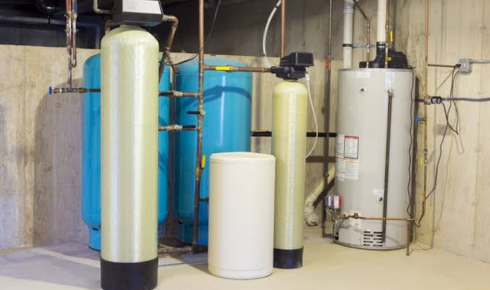
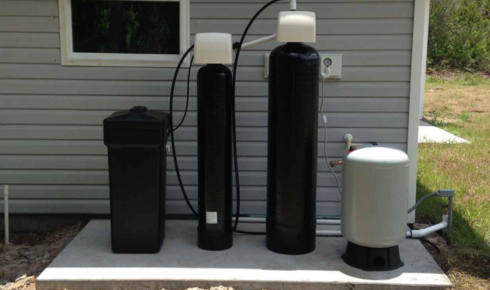
In homes with particularly hard water, installing a water softener alongside regular maintenance can further protect the tankless heater from excessive scaling. This combination often helps preserve both performance and comfort throughout the home.
Safer Household Operation
Any appliance connected to gas, electricity, or high-temperature water should be inspected regularly for safety reasons. Tankless water heaters contain several important components that require proper operation to remain safe and effective.
Maintenance checks allow professionals to examine ventilation systems, gas lines, burners, and electrical connections for signs of wear or damage. Faulty components can sometimes create risks such as gas leaks, overheating, or improper combustion.
Keeping the system professionally maintained helps ensure it operates safely and complies with manufacturer recommendations. It also gives homeowners greater peace of mind knowing the equipment is functioning correctly.
Consistent Performance During Seasonal Changes
Tankless water heaters often work harder during winter due to colder incoming groundwater temperatures. This increased demand can place extra strain on the system if maintenance has been neglected.
A well-maintained unit adapts more effectively to seasonal changes. Clean components, unrestricted water flow, and properly functioning sensors all contribute to better overall performance during colder months.
Summer maintenance can also be beneficial. Scheduling inspections during lower-demand periods may help avoid winter breakdowns when service appointments are harder to secure and repair costs may increase due to seasonal demand.
Protecting Manufacturer Warranty Coverage
Many homeowners are unaware that failing to maintain a tankless water heater could affect warranty protection. Manufacturers often require regular servicing as part of their warranty conditions.
Keeping records of maintenance visits demonstrates that the system has been properly cared for according to recommended guidelines. This may become important if repairs or replacement parts are needed in the future.
Ignoring maintenance requirements could potentially result in denied warranty claims, leaving homeowners responsible for repair expenses that may otherwise have been covered.
Supporting Overall Home Comfort
A reliable water heating system contributes significantly to everyday comfort. From bathing and cooking to laundry and cleaning, hot water plays a constant role in daily routines.
Regular maintenance helps ensure the system performs consistently without unexpected interruptions. It also supports overall household efficiency by reducing strain on connected plumbing and heating systems.
For homeowners managing broader heating and cooling concerns, professionals specialising in HVAC systems can often identify related issues that may affect indoor comfort and energy use across the property.
Final Thoughts
Maintaining a tankless water heater throughout the year is one of the most effective ways to improve home energy efficiency, reduce repair costs, and ensure a reliable supply of hot water. Regular maintenance helps prevent mineral build-up, protects internal components, and keeps the system operating at peak performance during every season. From lowering energy bills to extending the lifespan of the unit, preventative servicing offers long-term benefits that many homeowners underestimate.
Routine inspections also improve household safety and reduce the risk of costly emergency repairs that can disrupt daily comfort. Whether addressing heating efficiency, water flow issues, or overall system reliability, professional maintenance remains essential for protecting your investment. Combined with trusted HVAC services and timely inspections, a properly maintained tankless water heater can provide dependable, energy-efficient performance and improved home comfort for many years.