Water plays a bigger role in everyday life than most people realize. It’s there when we make morning coffee, wash fresh vegetables, clean the kitchen, run the dishwasher, or fill a glass after a long day. At home, we expect water to be safe and pleasant to use. In a business, the expectations can be even greater because water quality may affect customers, employees, equipment, and daily operations.
Yet water quality isn’t always consistent. Mineral deposits can appear on fixtures, unpleasant odors may develop, and certain contaminants can affect how water tastes or performs. The solution isn’t necessarily complicated, but it does require understanding the problem before choosing equipment. The right treatment system, backed by dependable professional care, can make water management far less stressful.
Why Water Quality Deserves Attention
Water can contain naturally occurring minerals, suspended particles, disinfectant byproducts, and other substances depending on its source and treatment process. Some affect taste and appearance, while others may create operational problems or require specific testing to identify.
Hard water, for instance, contains elevated levels of calcium and magnesium. It can leave white deposits on faucets, reduce soap effectiveness, and contribute to scale buildup inside water heaters and appliances. Sediment may cause cloudy water or interfere with certain equipment, while iron can leave reddish or brown stains on sinks, laundry, and plumbing fixtures.
These issues don’t all require the same solution. A softener is designed to reduce hardness minerals, while different filtration technologies target particular substances. Before investing in equipment, homeowners and business owners should understand what their water contains and what they want to improve.
Testing is often the most sensible starting point. It replaces guesswork with useful information and helps ensure that the chosen equipment addresses an actual need.
Choosing a Drinking Water System That Fits Your Needs
For many households, drinking water is the first concern. People want water that tastes pleasant, is suitable for drinking, and can be used confidently for cooking and preparing beverages. However, not every filter removes the same substances, so choosing a system based on appearance or advertising alone can be misleading.
Modern drinking water systems come in several forms. Pitcher filters and faucet-mounted units may improve taste or reduce certain contaminants, depending on the model. Under-sink filtration systems provide a more permanent option, while reverse osmosis systems can reduce a range of dissolved substances when properly designed and maintained.
The important detail is certification. Look for independent certifications that match the specific contaminant reduction claims you care about. A product certified to reduce chlorine taste, for example, shouldn’t automatically be assumed to remove lead, nitrates, or other contaminants.
Consider practical details as well. How much water does your household use? Is installation space limited? Will replacement filters be easy to find? A system that fits your routine is more likely to receive the attention it needs.
For private well users, regular testing is particularly important because water quality can change with environmental conditions. If water suddenly changes color, smell, or taste, investigate the cause rather than relying on a filter to solve an unknown problem.
Commercial Water Needs Are a Different Challenge
Businesses often use water in ways that place very different demands on treatment equipment. Restaurants need dependable water for food preparation, beverage service, and cleaning. Hotels may have extensive plumbing systems and high hot-water demand. Manufacturing facilities can require carefully controlled water quality for specific processes, while offices need reliable drinking water for staff and visitors.
In these settings, a small water quality issue can become an ongoing operational headache. Scale buildup may reduce heating efficiency, staining can affect the appearance of fixtures, and unsuitable water chemistry may interfere with equipment performance. The exact risks depend on the business and its water supply.
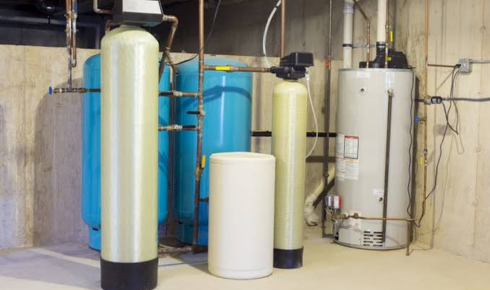
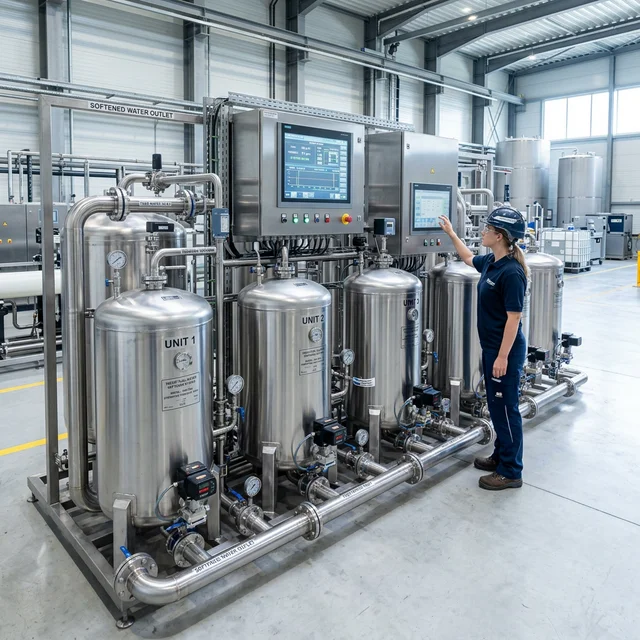
Professional commercial water treatment services can help businesses assess these challenges and choose appropriate treatment methods. Depending on the application, a system may include sediment filtration, water softening, carbon filtration, reverse osmosis, or other specialized technologies.
The goal isn’t to install every available treatment option. It’s to match the system to the business’s actual water requirements, daily usage, equipment specifications, and applicable regulations. A restaurant and an industrial workshop, for example, may need entirely different treatment approaches.
A professional assessment can also help estimate capacity requirements. Equipment that works well during quiet hours may struggle when several fixtures or machines operate simultaneously. Planning for real demand helps avoid unnecessary interruptions.
Installation Matters More Than You Might Think
Even a high-quality water treatment unit can disappoint when it’s installed incorrectly or poorly matched to the plumbing. Placement, flow rate, drainage, water pressure, and access for future servicing can all influence performance.
Before installation, ask the provider to explain why a particular system is recommended. What issue is it designed to address? How much water can it treat? Does it require electricity or a drain connection? Will the existing plumbing need adjustments?
For commercial properties, installation planning should also consider business hours and operational downtime. Arranging work during a quieter period may reduce disruption, although the best timing depends on the facility and the complexity of the project.
A clear written proposal should describe the equipment, installation scope, expected costs, and any ongoing expenses. This gives you a practical basis for comparing options instead of choosing based on a sales pitch alone.
The Value of Service, Maintenance, and Support
Water treatment isn’t a one-time purchase that can be forgotten once the installer leaves. Filters gradually collect particles, treatment media may need replacement or regeneration, and mechanical components can wear out. Without appropriate care, a system may lose effectiveness or operate inefficiently.
Reliable service, maintenance & support helps keep equipment performing as intended. Depending on the system, routine care might include replacing cartridges, checking operating pressure, inspecting connections for leaks, cleaning components, replenishing softener salt, or testing treated water.
Maintenance schedules vary, so follow the manufacturer’s instructions and the recommendations provided for your water conditions. Replacing a filter too late can reduce performance, while replacing it unnecessarily early may increase costs without adding meaningful benefits.
Businesses should consider keeping service records and scheduling preventive checks. Knowing when a component was inspected or replaced makes planning easier and can help identify recurring issues before they cause downtime.
It’s also useful to understand what support is available if something goes wrong. Ask whether the provider offers troubleshooting, replacement parts, emergency assistance, and clear guidance about warranty coverage. Good support should make ownership easier, not leave you searching for answers when the system stops working properly.
Keeping Costs and Expectations Realistic
The price of a water treatment system includes more than the initial equipment cost. Installation, electricity, replacement filters, salt, testing, and periodic servicing may all contribute to long-term expenses.
A cheaper system can be a sensible choice if it meets your needs, but low upfront pricing shouldn’t be the only deciding factor. Compare operating costs, replacement part availability, warranty conditions, and the expected service life of the equipment.
Be cautious about claims that one product can solve every possible water problem. No single treatment method removes all contaminants under all conditions. Reliable recommendations should explain both what the equipment can do and where its limitations lie.
A Practical Investment in Better Water
Clean, reliable water supports comfort at home and helps businesses operate smoothly. The best results usually come from a straightforward process: understand the water, identify the problem, select suitable equipment, and maintain it properly.
Whether you’re improving drinking water at home or managing a demanding commercial facility, thoughtful planning can prevent wasted spending and unnecessary frustration. Ask questions, review testing results, and choose a provider willing to explain the reasoning behind its recommendations.
Water treatment doesn’t need to feel complicated. With the right system and consistent care, it becomes a practical part of looking after your property, your equipment, and the people who depend on a reliable supply every day.