Water is one of those everyday things we rarely question—until something feels off. Maybe your shower leaves a chalky residue on the glass. Maybe your coffee tastes slightly metallic. Or maybe you’ve just moved into a new home and you’re not entirely sure what’s flowing through the pipes.
At some point, many homeowners find themselves researching filters, softeners, and full-scale setups, trying to make sense of it all. It can get overwhelming fast. Ads promise miracles. Online forums contradict each other. And suddenly, something as simple as a glass of water feels unnecessarily complicated.
Let’s slow it down and talk about it like real people.
Start With Your Water, Not the Equipment
Before you even look at products, the most practical step is testing. Municipal water reports are publicly available, and if you’re on a private well, annual testing is strongly recommended.
You don’t need to assume the worst. Often, the results show your water is well within safety limits. But sometimes you’ll discover elevated hardness, iron, or specific contaminants that explain those stubborn spots on your dishes.
Understanding what’s actually present helps you choose the right water treatment systems instead of buying equipment you don’t need.
Hard Water: The Quiet Annoyance
Hard water is one of the most common issues in many regions. It’s caused by high levels of calcium and magnesium. Not harmful to drink—but annoying.
Soap doesn’t lather properly. Towels feel stiff. White scale builds up on faucets and inside appliances. Water heaters lose efficiency over time because of mineral buildup.
This is where water softeners come into play. They work by exchanging calcium and magnesium ions with sodium or potassium ions, effectively reducing hardness levels.
The difference can be immediate. Showers feel smoother. Detergent works better. Appliances often last longer.
It’s not dramatic. But it’s noticeable.
Taste and Drinking Water Quality
Hardness isn’t the only concern people have. Taste is a big one.
Chlorine, dissolved solids, or trace contaminants can change the flavor of tap water just enough to make you hesitate before taking a sip. You might not even realize you’re drinking less water because of it.
Targeted drinking water solutions, such as activated carbon filters or reverse osmosis systems, focus specifically on improving taste and reducing certain contaminants at the point of use—usually under the kitchen sink.
The result? Cleaner flavor. Clearer ice cubes. Coffee that tastes like coffee instead of whatever was lingering in the pipes.
Sometimes, that small improvement changes daily habits more than you expect.
Whole-House vs. Point-of-Use
Here’s where it helps to think practically.
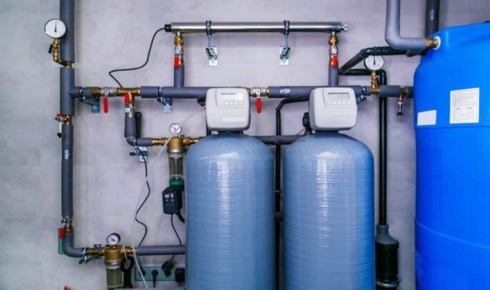
If the main issue is hardness affecting showers and appliances, a whole-house system makes sense. It treats water as it enters the home.
If your concern is primarily taste or specific drinking water contaminants, a point-of-use system under the kitchen sink may be sufficient.
You don’t always need an elaborate setup. Many homes benefit from a combination—softening for the entire house and filtration just for drinking water.
Balance matters more than complexity.
Maintenance Isn’t Optional
No matter what system you choose, maintenance is part of the deal.
Softener salt needs refilling. Filters need replacing. Membranes wear out. Ignoring upkeep reduces effectiveness and can give a false sense of security.
The good news? Most modern systems are designed with simplicity in mind. Filter changes are straightforward. Replacement schedules are predictable.
It’s less about technical skill and more about consistency.
Cost vs. Long-Term Value
It’s natural to look at the upfront cost and hesitate. But consider what untreated water might be costing you quietly—appliance repairs, bottled water purchases, plumbing maintenance.
Water heaters clogged with scale use more energy. Dishwashers wear out faster. Buying cases of bottled water adds up over time.
Investing in treatment often shifts those expenses elsewhere, sometimes saving money long term. But beyond finances, there’s comfort.
There’s something reassuring about knowing you’ve addressed potential issues proactively instead of reacting later.
The Emotional Side of Water
Water touches nearly everything—your skin, your cooking, your laundry, your health.
When it feels clean and tastes right, you stop thinking about it. That’s the goal.
You don’t want to analyze every sip. You want to trust it.
And that trust doesn’t come from marketing claims. It comes from understanding your water and choosing solutions that make sense for your situation.
Keep It Simple
The biggest mistake people make is overcomplicating the process.
You don’t need the most advanced system on the market. You need the one that solves your specific problem.
Test first. Identify priorities. Choose equipment accordingly. Maintain it regularly.
That’s it.
Water doesn’t need to be mysterious. It just needs attention.
And once you’ve taken the time to address it properly, you’ll likely notice something subtle but meaningful—the way you fill a glass without hesitation, the way your shower feels a little smoother, the way your appliances run just a bit more efficiently.
Small changes, quietly improving daily life.
Sometimes, that’s more than enough.