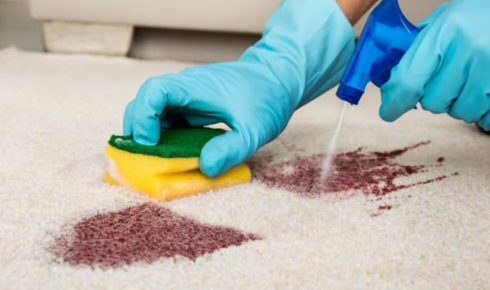
Red wine on the new carpet? Ink on your favorite shirt? Don’t panic! Spills and stains feel like mini disasters — especially when they happen on your nicest items. But the good news is: most “impossible” stains can be reversed or vastly improved if you act wisely and quickly. This article gives you stain removal, tough cleaning tips, and stain removal hacks that are grounded in chemistry and real-world experience. Whether it’s red wine, ink, or a greasy splatter that’s taunting you, every section below walks you through exactly what to do, why it works, and what pitfalls to avoid. This information was given from an interview with Happy Clean, offering expert stain removal in Dublin.
Red Wine Stains Expert tips
Why wine is tricky
Red wine contains pigments (tannins) and acids that try to bond with fibers almost immediately. If left unattended, they oxidize and set permanently. The sugars add stickiness, which helps the tint cling. Cold water initially helps slow that bonding.
Step-by-step removal technique
- Blot, don’t rub — use a clean white cloth or paper towel to absorb as much liquid as possible.
- Cold water flush — pour a little cold water over the stain to dilute it, working from the outside in.
- Apply white wine or club soda (optional) — paradoxically, a splash of white wine or soda helps dilute red wine.
- Make a cleaning solution — mix 1 part dish soap + 1 part hydrogen peroxide (or very diluted bleach solution if fabric safe). Test invisibly first.
- Apply gently — use a soft sponge or cloth, dab the stain with the solution.
- Rinse & repeat — flush with cold water, blot dry. If the stain remains, repeat or let the mixture sit briefly under supervision.
- Final wash — launder as usual, checking before drying (heat sets residual stain).
What to avoid when Cleaning and Removing Stains
- Rubbing vigorously (spreads the stain).
- Using hot water right away (sets pigment).
- Bleach on colored fabrics without testing — it can discolor.
- Drying until fully removed.
Expert tips for Ink Stains
Types of ink and their behavior
Inks vary — ballpoint oil-based, gel, permanent marker, fountain pen dye. Oil-based inks resist water; dye inks may respond to alcohol or solvents. Knowing the ink type helps you select the right remover.
Step-by-step removal technique
- Blot excess ink (but don’t smear).
- Apply isopropyl alcohol or hand sanitizer (70%+). It dissolves many ink dyes.
- Let it sit briefly, but don’t let the solution dry on the fabric.
- Blot toward the center using a clean cloth, transferring ink out.
- Rinse with cold water.
- Apply dish soap or laundry detergent and gently rub the area.
- Launder normally, check before drying.
When fabric is delicate
- If the fabric is silk, wool, or delicate, test any solvent on a hidden seam first.
- Instead of alcohol, use specialized ink removers or take to a professional cleaner.
- Avoid harsh chemicals or scrubbing.
Grease & Oil Splatters Expert tips
Why grease stays
Oil and grease repel water and cling to fibers. They anchor deeply because they penetrate the material before you notice them.
Step-by-step stain removal technique
- Blot off excess oil with a paper towel (do not rub).
- Apply absorbent powder (e.g. cornstarch, talc, baking soda) over the stain. Let sit 10–15 minutes to draw oil out.
- Brush off powder gently.
- Apply dish soap (a degreasing formula) directly to the stain, gently working it in.
- Let it sit 5–10 minutes.
- Rinse with hot water (if fabric allows) to help dissolve oils.
- Repeat or launder as needed.
Common mistakes in Stain Removal
- Using non-grease formulas (which lack surfactants).
- Applying hot water too soon (can spread the grease).
- Overworking the fibers (causes fuzz or damage).
Pet Accidents & Organic Messes: Expert Tips to Remove These Stains
Why enzymes matter
Urine, vomit, feces contain proteins and bacteria. Enzymatic cleaners break down those proteins into smaller, washable bits — they literally digest the residue.
Step-by-step removal technique
- Blot up as much as possible with paper towels or cloth.
- Flush with cold water (do not rub).
- Apply an enzymatic cleaner following label instructions.
- Let it dwell — often 10–15 minutes (or longer) so enzymes can act.
- Blot again to remove loosened residue.
- Rinse lightly with water, then blot dry.
- Dry thoroughly — moisture left behind invites odor and bacteria.
Odor control
- After cleaning, sprinkle baking soda, let sit, then vacuum.
- Use breathable air flow or a fan to dry fully.
- For persistent smell, repeat enzymatic treatment or use ozone/UV tools (for hard surfaces).
Other Stubborn Messes (Coffee, Chocolate, Blood, etc.)
Tailored methods by stain
- Coffee/tea: flush with cold water, then use a mix of vinegar + dish soap.
- Chocolate: scrape off solids first, then treat with enzyme cleaner or soap + water.
- Blood: use cold water + enzyme cleaner (never hot water, as heat sets the proteins).
Universal tips for Stain Removal
- Always test invisibly first.
- Work from outside toward center to avoid spreading the stain.
- Patience matters — many stains require multiple treatments.
- Avoid heat (irons, dryers) until fully clean.
- Keep clean white cloths for blotting (colored ones may transfer dye).
Expert Tip from Livia, Co-Founder of Happy Clean
“Even permanent marker isn’t hopeless with the right approach” says Livia, co-founder of Happy Clean. “One under-utilized trick is layering a dab of hairspray (with alcohol) over the mark, then blotting with a microfiber cloth — it loosens the pigment before you follow up with a stronger solvent.” According to Livia, patience and gentle repetition often beat aggressive scrubbing. For particularly delicate fabrics or historic pieces, she advises consulting a professional cleaner early — because an impatient mistake can cost more than the original stain.
This quote underscores that sometimes, multi-step layering — gently escalating from mild to stronger treatments — is safer than jumping in with brute force. It also gives readers confidence that an expert cares about preserving their prized items.
CONCLUSION
Accidents are inevitable — the red wine, ink smear, or greasy splatter may feel like a disaster in the moment. But armed with the right stain removal hacks and tough cleaning tips, you can often reverse or dramatically reduce those grim reminders. Act quickly, choose methods suited to the specific stain, and always test on inconspicuous spots. And if the fabric is expensive, delicate, or the stain just refuses to budge, don’t hesitate to bring in a professional cleaner. You’ll save stress (and possibly your favorite piece). With these techniques, you’re not powerless — you’re empowered to take on even stubborn stains.