Most people don’t give much thought to their water treatment system until something stops working as it should. Maybe the water starts leaving white marks on the taps, the shower feels different, or the softener seems to be using more salt than usual. Sometimes the signs are subtle. Other times, there’s a sudden change that makes the problem impossible to ignore.
Like any equipment used regularly, a water treatment system needs attention to keep performing well. A little routine care can help prevent unexpected breakdowns, maintain water quality, and reduce the likelihood of expensive problems later. Whether you have a water softener at home or manage a larger treatment setup for a business, knowing what to look for makes everyday maintenance much less stressful.
Why Regular Care Makes a Difference
Water treatment equipment works behind the scenes, often day after day. Filters collect sediment, softening resin gradually needs attention, valves experience wear, and moving components can become less efficient over time. Without proper care, even a well-designed system may struggle to deliver the results it once did.
Regular system maintenance helps identify small issues before they develop into larger ones. For example, a filter that’s nearing the end of its service life may restrict water flow. A softener with incorrect settings might regenerate too frequently, increasing water and salt consumption. A small leak around a connection can go unnoticed until it damages a cabinet or nearby flooring.
Maintenance schedules vary according to the type of equipment, water conditions, and how heavily the system is used. A household with high sediment levels may need more frequent filter changes than a home with relatively clean incoming water. That’s why following the manufacturer’s recommendations and paying attention to actual system performance is more useful than relying on a single schedule for every property.
Learn to Recognize Early Warning Signs
You don’t need to be a plumbing expert to notice when something feels off. Everyday changes can provide useful clues that your water treatment equipment needs attention.
Hard water symptoms may return when a softener isn’t operating correctly. Soap might not lather as easily, glassware may develop spots, and mineral deposits could begin appearing around faucets. If a filtration system is involved, reduced flow or an unexpected change in taste or odor may indicate that a filter needs replacement or that another issue requires investigation.
Keep an eye on the equipment itself, too. Unusual noises, persistent moisture around fittings, error messages, or frequent regeneration cycles deserve attention. A sudden increase in water usage can also point to a plumbing leak or a malfunctioning component.
It’s important not to assume every change comes from the treatment system. Water quality can change at the source, and plumbing problems may produce similar symptoms. If water develops an unusual odor, appearance, or taste, consider testing it rather than simply replacing a filter and hoping for the best. When a possible health concern exists, follow local public health guidance while the cause is investigated.
Professional Repairs Can Prevent Bigger Problems
Some routine tasks are straightforward, but others are better left to someone with the right training and equipment. Replacing a user-serviceable filter may be manageable for a homeowner, while diagnosing a failed control valve, repairing electrical components, or troubleshooting a complex filtration setup can require specialist knowledge.
Reliable repairs & service can help restore proper operation while identifying why the problem occurred in the first place. A technician may inspect seals, valves, tubing, electrical connections, pressure levels, and control settings. Depending on the system, they may also check whether the treatment process is working as intended and recommend water testing if performance has changed.
This distinction matters. Replacing a damaged part can solve an immediate problem, but it doesn’t always address the underlying cause. A recurring blockage, for example, might indicate excessive sediment entering the system. Repeated softener issues could relate to incorrect programming, a mechanical fault, or water conditions that weren’t properly accounted for during installation.
When arranging a service visit, describe the symptoms as clearly as possible. Mention when the problem began, whether it occurs throughout the property, and whether you’ve noticed changes in water pressure, appearance, or usage. These details can help a technician narrow down the possibilities and avoid unnecessary work.
Don’t Overlook Salt in a Water Softener
For many households, adding salt is one of the few visible maintenance tasks associated with a water softener. It’s easy to assume that topping up the brine tank occasionally is all that’s required, but the details matter.
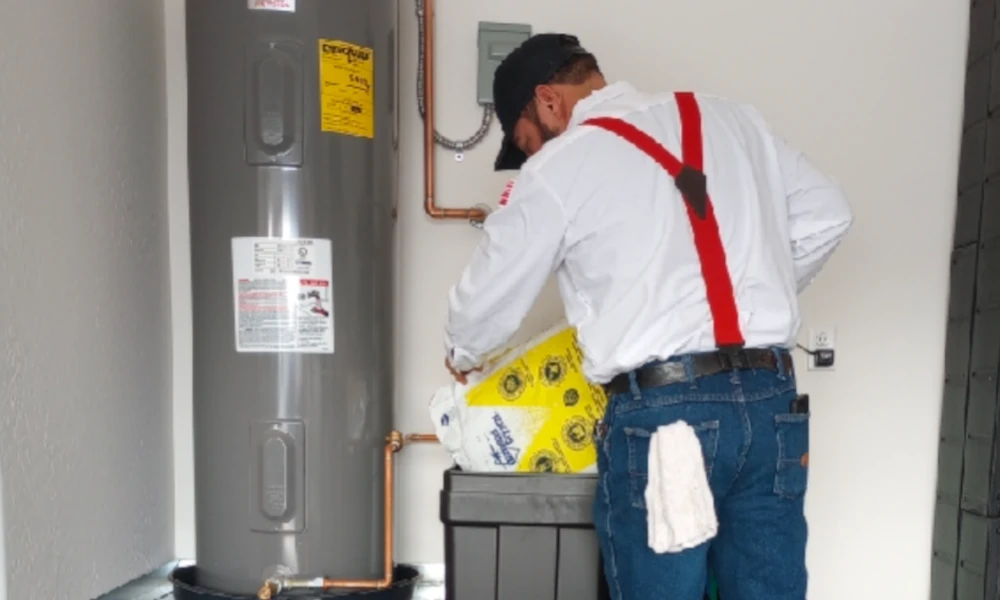
Salt delivery can be a convenient option for households that use a softener regularly, particularly when carrying heavy bags from a store becomes inconvenient. Having the right type and quantity of salt available helps keep routine care on track. However, the correct product depends on the softener’s design and the manufacturer’s recommendations, so it’s worth checking before switching brands or types.
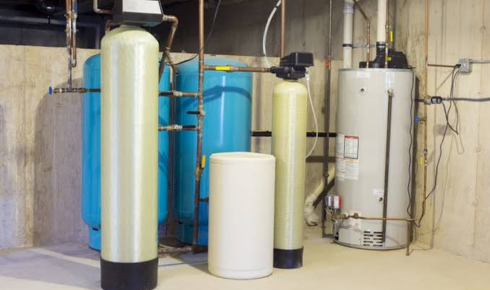
Salt itself doesn’t directly remove hardness minerals from the water. In a conventional ion-exchange softener, it helps regenerate the resin that captures calcium and magnesium. If the brine tank runs low, the system may not regenerate properly, and hard water symptoms can return.
It’s also wise to inspect the tank occasionally. Salt can form a hard crust or bridge above the water, leaving an empty space underneath and preventing proper contact with the brine. In other cases, salt may collect into a thick mass that interferes with normal operation. Avoid breaking up blockages with sharp tools that could damage the tank, and seek professional advice if the problem keeps returning.
More salt isn’t necessarily better, either. Follow the recommended fill level and check that the system’s regeneration settings suit the household’s water use.
Filter Changes and Water Quality Checks
Filters are designed to capture or reduce particular substances, and each type has its own service requirements. Sediment filters trap suspended particles, while activated carbon filters can reduce certain tastes, odors, and chemical compounds. Other treatment technologies target different contaminants.
Because these products perform different jobs, replacement intervals shouldn’t be treated as interchangeable. Some filters are changed according to time, while others have a rated capacity or pressure-drop limit. Waiting until water quality changes may mean a filter has already exceeded its recommended service life.
Water testing can help confirm whether a treatment system is meeting its intended purpose. The appropriate test depends on the water source and the contaminants of concern. Private wells, for example, may require periodic checks for bacteria, nitrates, and other locally relevant risks. A filter’s presence alone does not prove that every health-related contaminant has been removed.
Keep records of filter changes, service visits, and test results. These simple notes make it easier to spot recurring problems and help service professionals understand the system’s history.
Make Maintenance Easier With a Simple Routine
A practical maintenance plan doesn’t need to become another complicated household chore. Set reminders for filter replacements, check salt levels at reasonable intervals, and take a quick look around the equipment for leaks or unusual changes. Follow the manufacturer’s instructions, especially when a task involves pressure, electricity, chemicals, or disinfection components.
It also helps to know the basics of your system: its model, installation date, filter specifications, and service contact. If you move into a property with existing treatment equipment, ask for any available maintenance records and arrange an inspection if the system’s condition is uncertain.
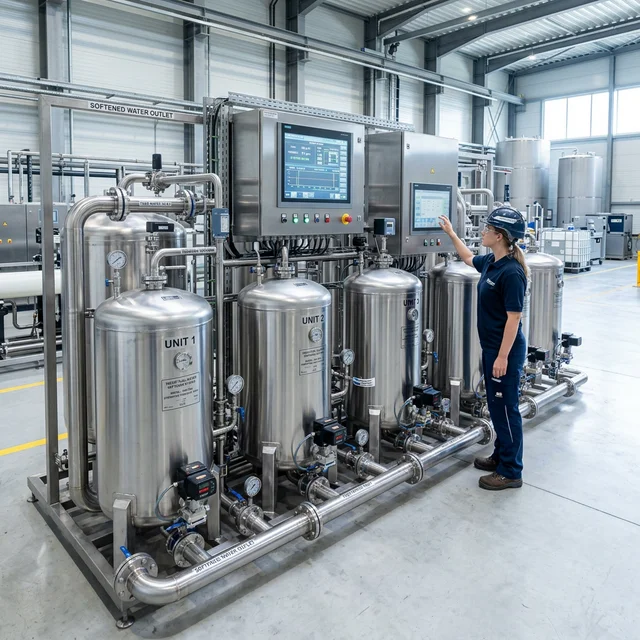
For commercial properties, a written maintenance schedule is particularly valuable. Restaurants, offices, hotels, and other facilities may have higher water demands and greater consequences when equipment fails. Planned inspections and documented servicing can support consistent operation and reduce unexpected interruptions.
Reliable Water Begins With Consistent Attention
A water treatment system doesn’t need constant attention, but it shouldn’t be forgotten, either. Recognizing warning signs, changing filters on time, keeping a softener properly supplied, and arranging professional service when needed can all contribute to dependable performance.
The best approach is straightforward: understand what your equipment is designed to do, follow its maintenance requirements, and investigate changes instead of ignoring them. If a problem keeps returning, look beyond the immediate symptom and find out what’s causing it.
A few minutes spent checking your system today may save a frustrating repair tomorrow. More importantly, regular care helps you make informed decisions about the water your family, customers, or employees rely on every day.