Most people don’t spend much time thinking about their plumbing. In fact, it’s one of those things that quietly does its job in the background until something goes wrong. A dripping tap, a blocked drain, or a sudden lack of hot water can quickly turn an ordinary day into a stressful one.
The truth is, a home’s plumbing system affects comfort, convenience, hygiene, and even monthly utility costs. Whether you’re living in an older property or a newly built house, understanding the importance of regular maintenance and professional help can save both time and money in the long run.
The Hidden Importance of Reliable Plumbing
Water is part of nearly everything we do at home. From morning showers and cooking meals to laundry and cleaning, we rely on a steady supply of clean water every day.
When plumbing systems are neglected, small issues often become larger and more expensive problems. A tiny leak behind a wall may seem harmless at first, but over time it can cause structural damage, mold growth, and higher water bills.
That’s why many homeowners choose professional plumbing services to inspect and maintain their systems before minor concerns develop into major repairs. A trained plumber can often spot warning signs that aren’t obvious to the average homeowner.
Small Problems Rarely Stay Small
One of the biggest mistakes homeowners make is postponing repairs. It’s easy to ignore a slow-draining sink or a faucet that drips occasionally. After all, life gets busy.
But plumbing problems tend to worsen gradually. A small blockage can become a complete obstruction. A minor pipe crack can eventually burst under pressure. What could have been a quick service call sometimes turns into a much larger restoration project.
Regular inspections help identify issues early. Think of plumbing maintenance like servicing a car. You don’t wait for the engine to fail before changing the oil. The same logic applies to your home’s water system.
Hot Water Is More Important Than We Realize
There’s something surprisingly comforting about turning on a tap and getting warm water instantly. We usually take that convenience for granted until it disappears.
Modern hot water heaters play a critical role in daily household life. They provide warm water for bathing, dishwashing, laundry, and countless other tasks. When these systems become inefficient, homeowners often notice inconsistent temperatures, rising energy bills, or reduced water pressure.
Many older units continue operating long after their peak efficiency has passed. While they may still produce hot water, they often consume more energy than necessary. Upgrading or maintaining a water heater can improve comfort while helping reduce monthly utility costs.
A properly functioning water heater isn’t just a convenience. For many families, it’s an essential part of a comfortable home.
Hard Water Can Create Unexpected Challenges
Not all water is the same. In many regions, homes receive hard water that contains elevated levels of minerals such as calcium and magnesium.
At first glance, hard water doesn’t seem like a serious issue. However, over time it can leave scale buildup inside pipes, appliances, fixtures, and water heaters. Homeowners may notice spots on dishes, dry skin after showers, stiff laundry, or reduced appliance efficiency.
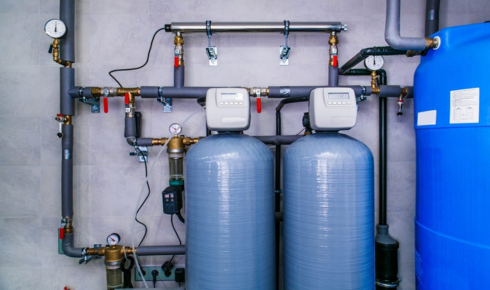
This is where water softeners often become valuable additions to a household. By reducing excess mineral content, these systems help protect plumbing components while improving overall water quality.
Many people are surprised by how noticeable the difference can be. Softer water often feels better on the skin, helps soaps lather more effectively, and can extend the lifespan of household appliances.
Why Preventive Maintenance Pays Off
Preventive maintenance isn’t the most exciting part of homeownership, but it’s one of the smartest investments.
Routine plumbing inspections can help identify:
- Hidden leaks
- Corroded pipes
- Water pressure issues
- Drain blockages
- Water heater inefficiencies
- Early signs of fixture failure
Addressing these concerns early typically costs far less than emergency repairs. It also reduces the chances of sudden disruptions that leave families without running water or dealing with water damage.
Homeowners often focus on visible upgrades like paint, flooring, or landscaping. Yet the systems behind the walls are equally important, even if they don’t receive the same attention.
Energy Efficiency Starts with Water Systems
Many people associate energy efficiency with insulation or solar panels, but plumbing plays a significant role as well.
Leaking fixtures waste water. Aging water heaters consume more energy. Mineral buildup can force appliances to work harder than necessary.
Improving plumbing efficiency often creates a ripple effect throughout the home. Lower water consumption, reduced energy use, and fewer repairs can all contribute to long-term savings.
Even simple upgrades such as low-flow fixtures or timely maintenance can make a noticeable difference over the course of a year.
Choosing the Right Professional Matters
Not all plumbing projects are the same. Some involve routine maintenance, while others require specialized expertise.
When hiring a plumber, homeowners should look for experience, proper licensing, transparent communication, and a solid reputation. A trustworthy professional won’t simply fix the immediate problem; they’ll help identify underlying causes and recommend practical long-term solutions.
Good plumbers also understand that every home is different. What works perfectly for one property may not be the ideal solution for another.
The best service providers focus on solving problems rather than simply selling products.
Final Thoughts
A well-maintained plumbing system rarely gets the attention it deserves. Yet it supports some of the most important daily activities in our homes. Clean water, reliable drainage, and consistent hot water all contribute to a comfortable living environment.
Taking a proactive approach to maintenance can prevent costly surprises, improve efficiency, and extend the life of essential household systems. Whether it’s scheduling routine inspections, upgrading aging equipment, or addressing small repairs promptly, these efforts often pay off many times over.
In the end, good plumbing isn’t just about pipes and fixtures. It’s about creating a home that functions smoothly, comfortably, and reliably every single day.